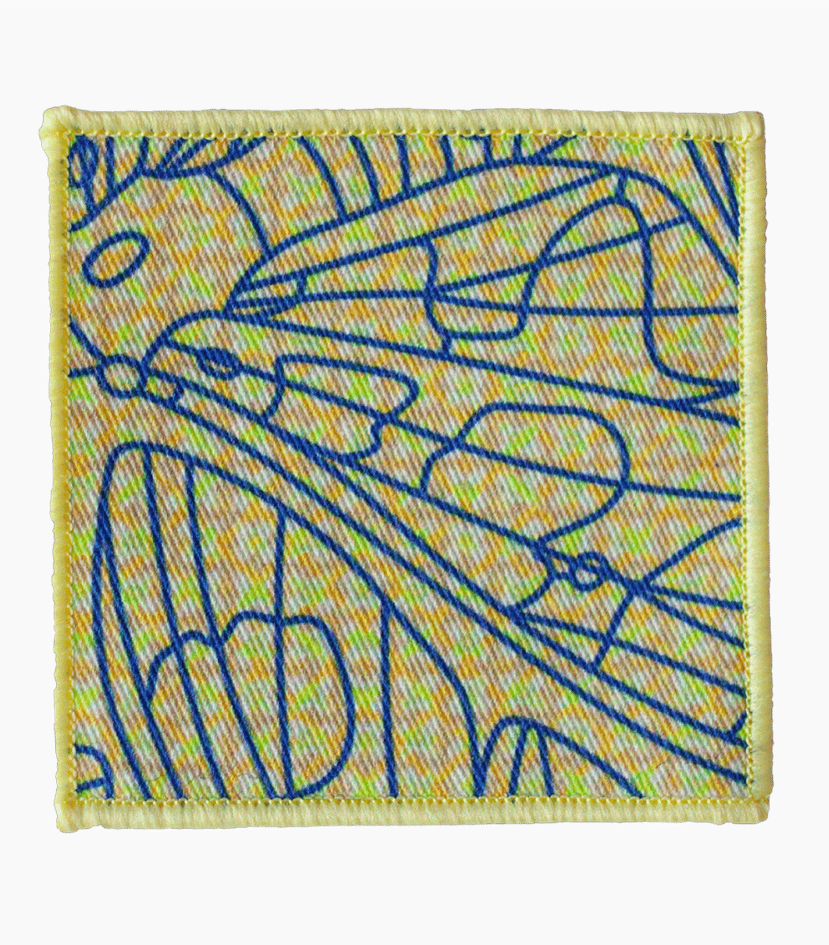
rebel patch
Let’s change the way we engage with our clothes.
Rarely worn, stained or damaged clothing deserves a second lease on life.
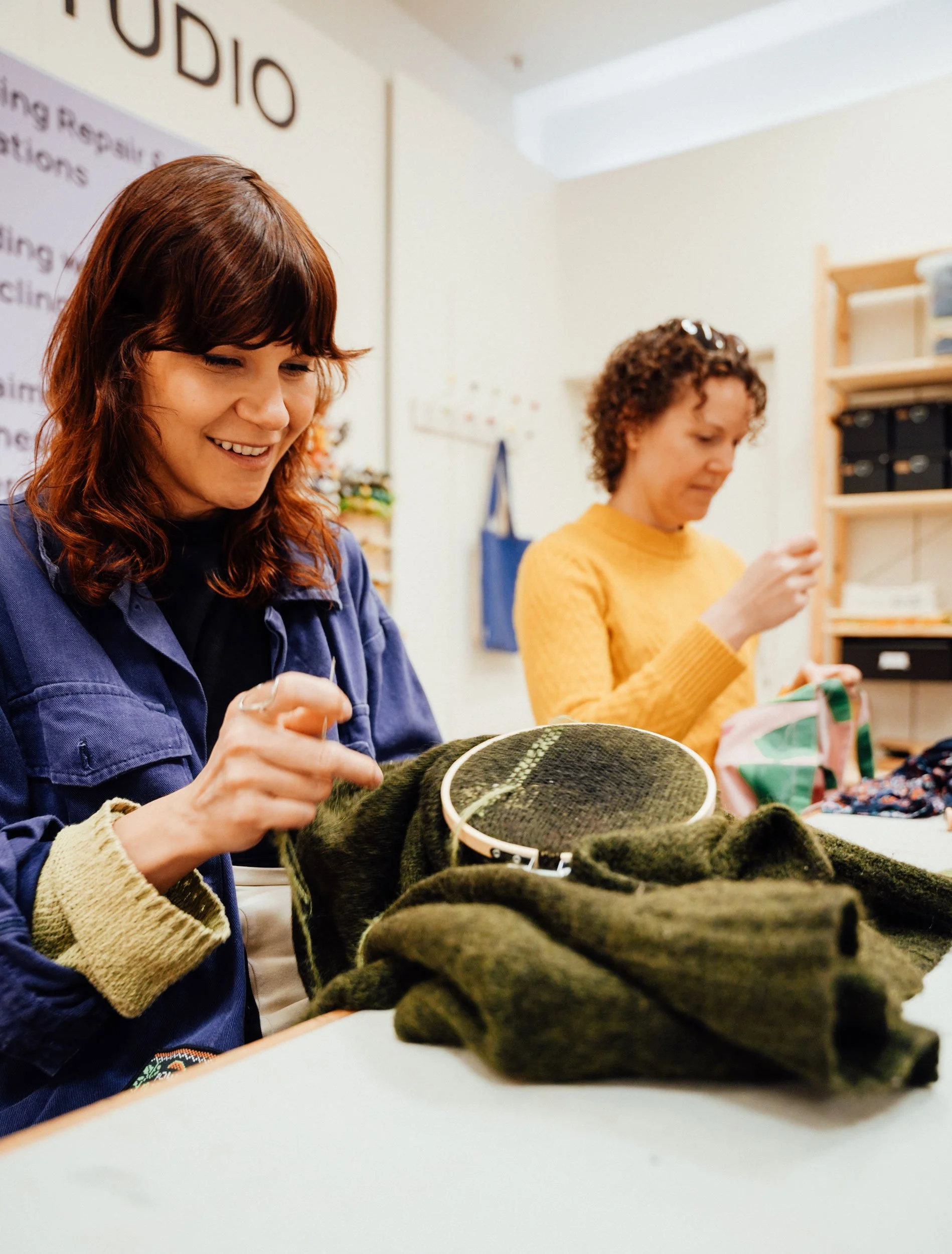
Beginning of 2022, feeling frustrated with my day job, which meant sitting in front of a screen for 8 hours a day, I started to learn visible mending.
I loved it so much I mended everything I had and even started asking friends if they had anything to mend for me. I got obsessed with darning and patching up holes and the satisfaction and new found love for the repaired pieces it gave me. I wanted more people to be able to experience the art of repair in an accessible, fun and creative way. But repair tools and techniques are very limited in terms of what they look like and can do.
I loved the idea of iron on patches and how easy to use they were, but I didn’t like the design, materials or the fact that they were produced under questionable conditions. So I set out to reinvent the iron patch and combine it with my love for art. This is a very abbreviated version of the full story, but that’s how Rebel Patch was born.
Lisa x
How we make our patches step by step:
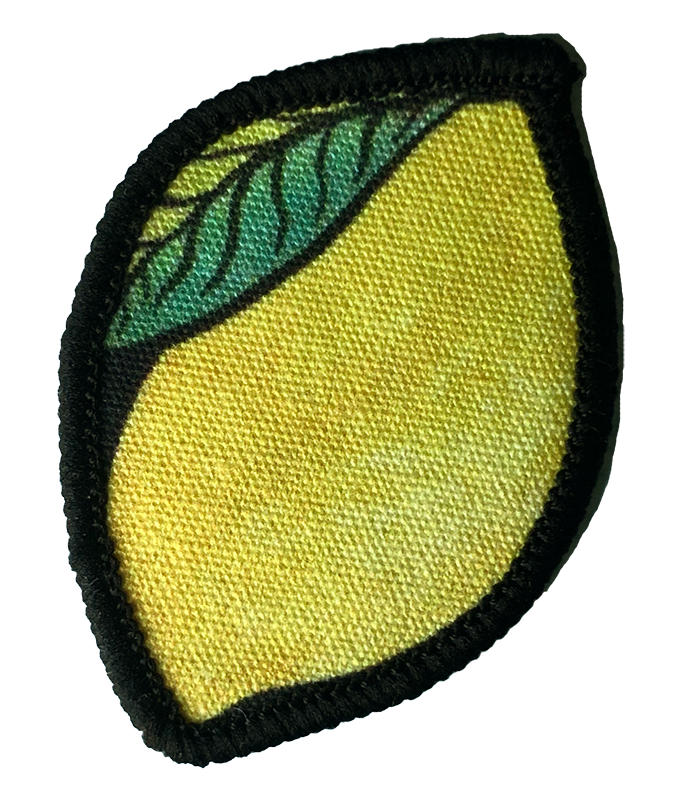
At the start of every collection is a long conversation with the artist we are featuring through the new collection to see if we align on values and what the focus of the collection could be. I really value collaboration and want the artist to bring as much of their own practice and style into the collection as possible.
1. Collaborate with a local artist
2. Refine and get artwork ready to print
After a few rounds of iterations and conversations we narrow down our favourite patch designs and experiment with patch sizes. We print them out on paper and cut them out to see what they would look like on different types of clothes and accessories. Once we’re happy with the sizes we get them ready to be printed on fabric.
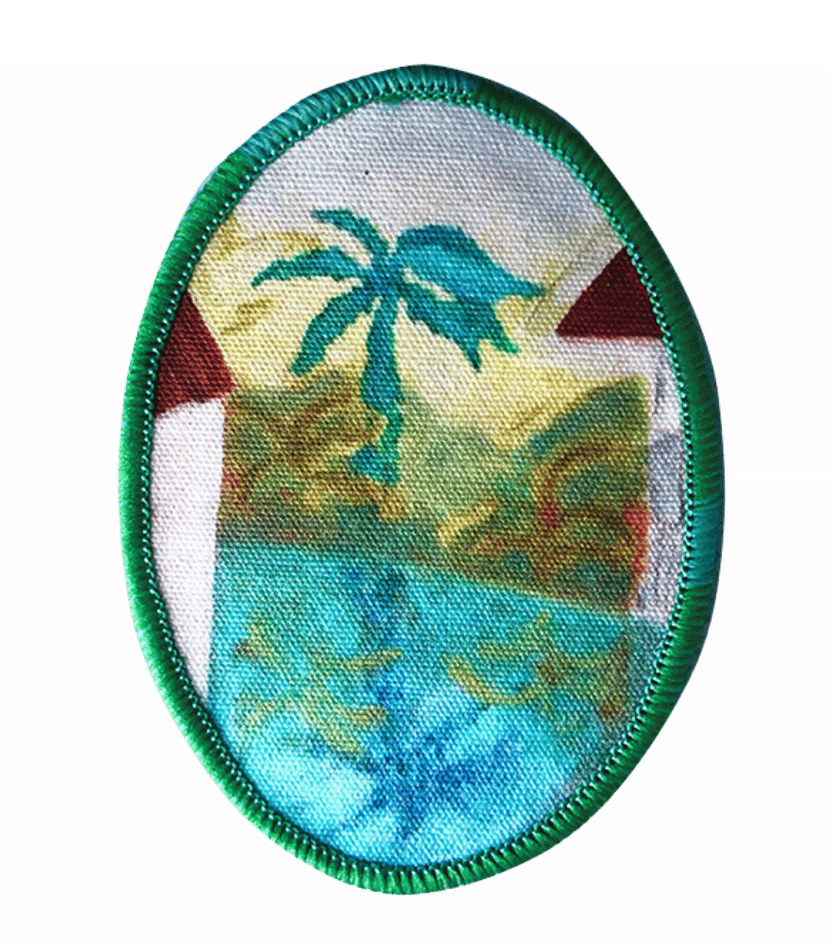
The printing takes place in a sustainable printing facility that uses a closed loop system which minimises the use of water and creates way less waste than traditional digital printing on fabrics. We always prioritise organic cotton over regular cotton where possible.
Interesting fact: we print the patches as a repeat pattern which is why you can never order just one bespoke patch. You have to get at least 4.
3. the printing production
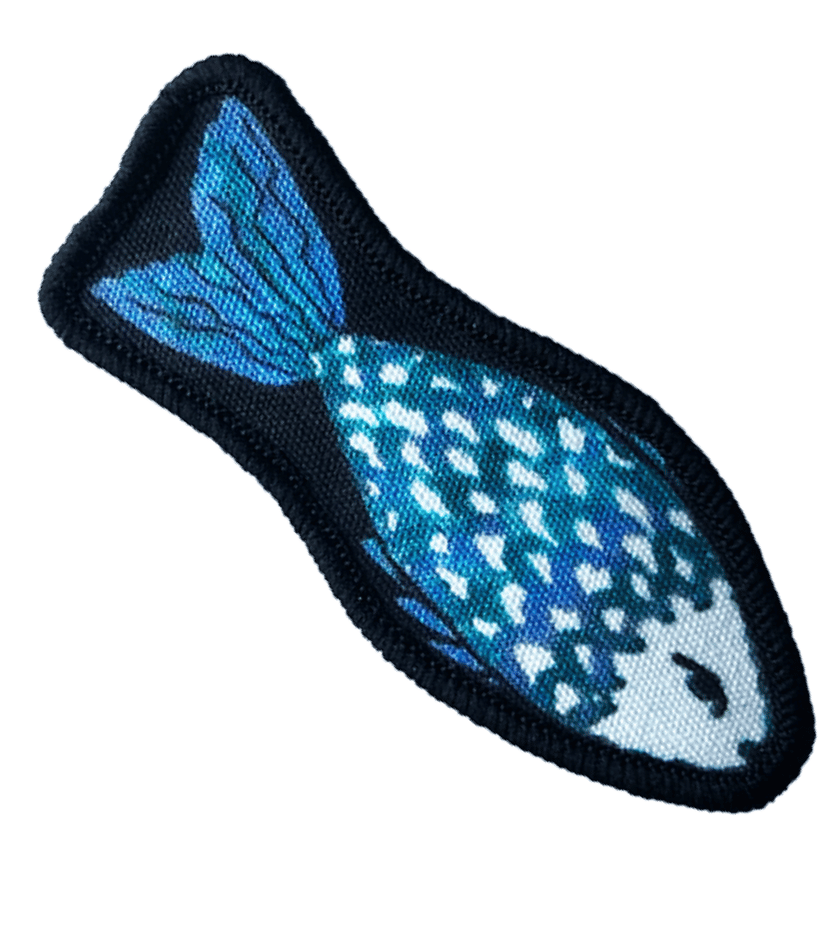
Ready to get your own patches?
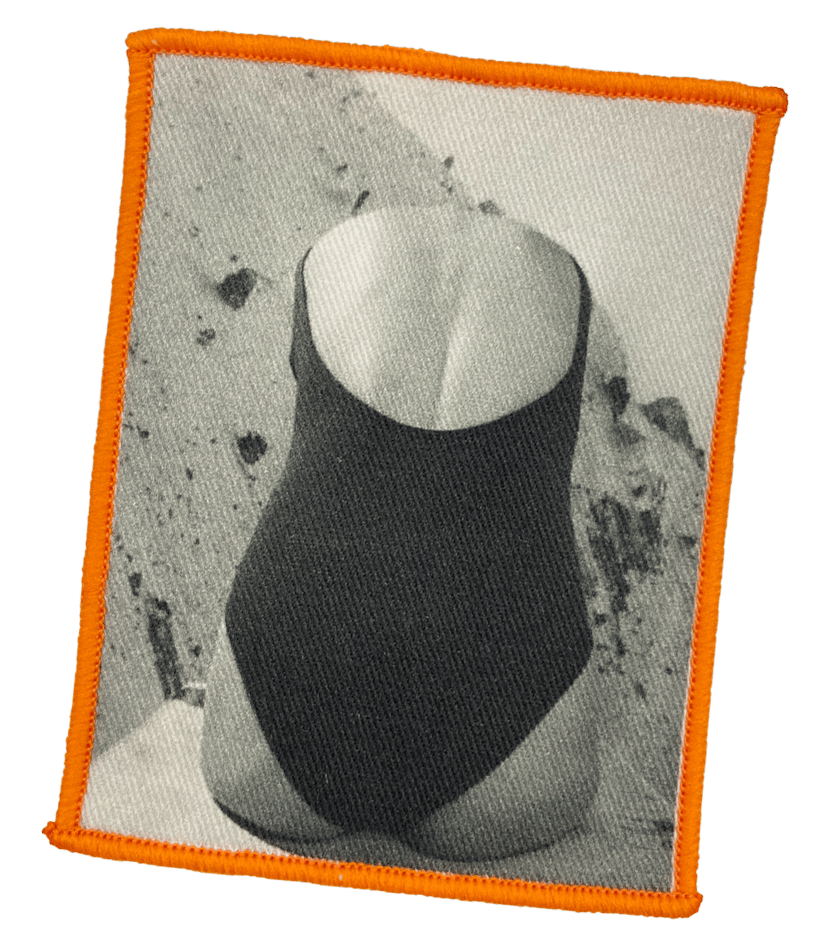
I check all of the patches over myself, before I send them out or bring them to one of my stockists, that way I can ensure everything remains as consistent as possible.
5. our patch production
Once the fabric with all of the patches printed on has shipped to me, I cycle them over to my manufacturer, which I am very lucky, is only a 15 minute bike ride from my house. I have an amazing team of seamstresses who always get so excited when there is a new collection they can work on! We usually choose the colours for the overlock thread together. Then they cut all of the patches, add the interfacing, overlock the edges and add the iron on backing where needed. This process usually takes 2-3 weeks.