The eco-friendly way we make our patches
At the very start of Rebel Patch I remember going into sewing shop after sewing shop looking at the patches that already exist. The majority of them were produced in a location where you can be sure the person who made them wasn’t paid a living wage and the materials used to make the patch were as cheap as possible, which almost always means 100% plastic.
My mission with Rebel Patch was always to create a solution that upgrades your item of clothing when you add it not downgrades it. I started talking to manufacturers and suppliers and I got a business mentor specialising in circularity. It took a long time and a lot of research only to arrive at a solution that is still not 100% circular … yet. And this is where things get interesting because very often the reason something isn’t made circular is because of the system the product exists in.
But before we go deeper into systems let me walk you through the process of how we currently make our patches.

The design and production process
When working on a new collection we will do a few mock ups and prototypes on paper to see if the sizing of the patches and the colours work. I never request fabric samples because they are expensive and in my opinion unnecessarily wasteful.
Once me and the artist are happy with the patch designs and the sizing of them I get to the fabric printing. I work with an amazing printing facility in the Netherlands which specialises in sustainable printing. We always print on organic cotton fabric and the facility also operates a closed loop printing process which means minimal waste during the printing itself and less harm on the environment. Fabric printing processes tend to be incredibly chemical intensive and wasteful and a closed loop system remedies that.
When I prepare the print, I try to maximise the usage of space on the metre as much as I can by arranging the patches in very nested ways (this process can take hours but means less wasted fabric offcuts!).
The printed fabric then gets shipped to me here in the UK and I then cycle it over to my local manufacturing team - a wonderful team of seamstresses that are a 15 minute cycle away from my house. We then discuss finishing like which thread colours we are going to use on which patch designs and how many should be iron on vs sew on.
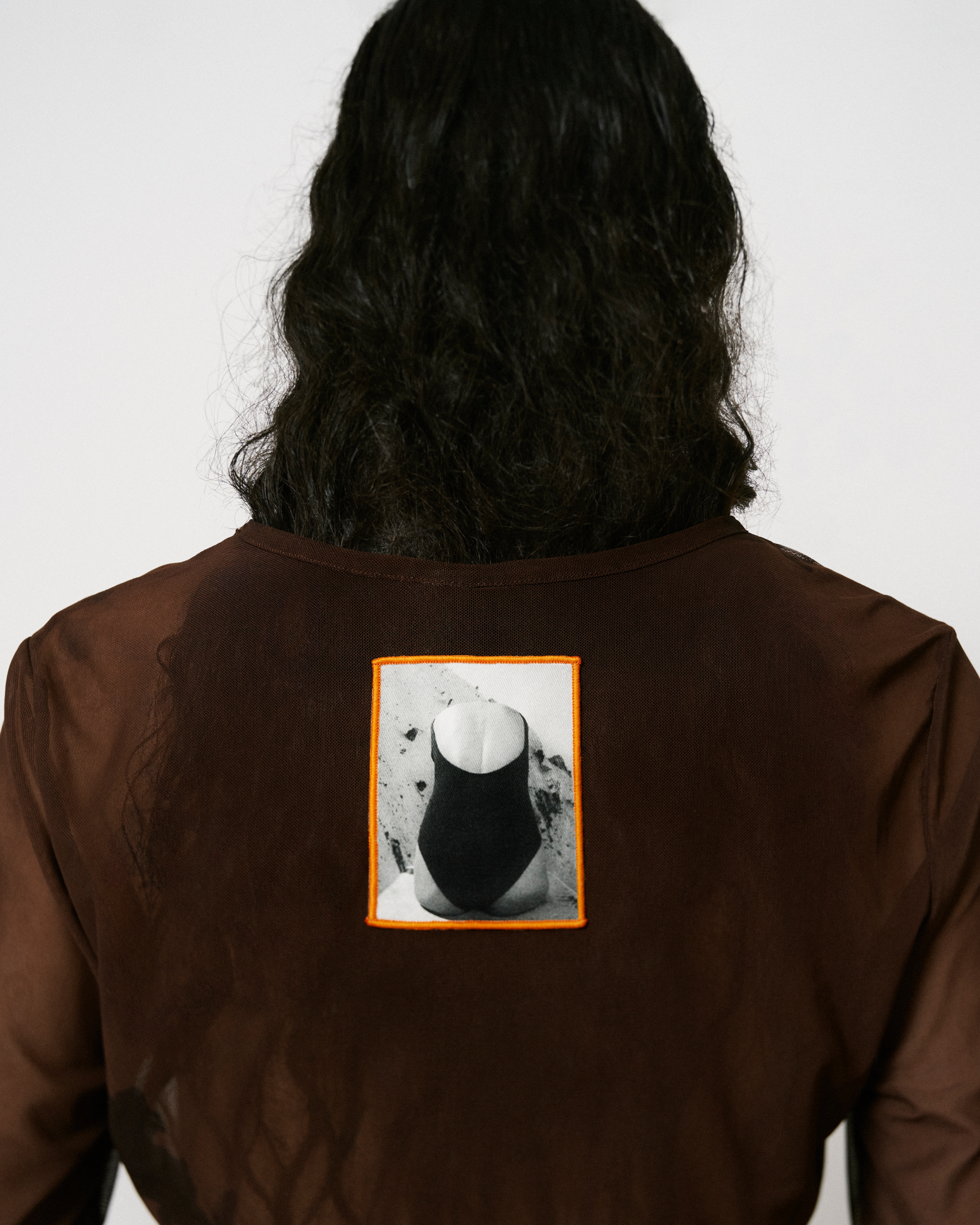
Patch Materials & Sustainability
Whilst the main body of each patch is always cotton, we had to go with polyester for the overlocking thread that frames the patch and keeps the fabric from fraying. We had initially experimented with cotton embroidery thread but it is substantially weaker than the polyester one and also creates little gaps in the overlock that makes the fabric fray out. We had to opt for polyester thread to increase the durability of the patch overall, which is definitely not my first choice but makes the patches last a lot longer than with cotton thread. We also looked into Lyocel (a wood pulp based material) threads but these an only be ordered in very large quantities which I am unable to afford as a micro business with limited funds. I am constantly looking for alternative materials and hoping that there will be a viable sustainable or even regenerative alternative affordable for small businesses like me in the very near future.
The production of the patches is currently as sustainable as possible but I also want to be super clear that we want to do more to make them even better and lower in their carbon footprint in many ways. It is a constant work in progress, as most things really are and I will keep updating this as I go.